


 Warranty Policy
 FAQ
FAQ Download
 Company Events
 Business Events
 Vlog
Vlog Profile
 Why Premteco
 Certificates

 CN
CN EN
EN RU
RU ES
ES AR
AR

High-grade XR LED display-P1.9, P2.6, P2.9

Indoor Small Pitch Mini LED Display-P0.9, P1.25, P1.56

LED Floor Display-P2.5, P2.6, P2.9, P3.9, P4.8,P5.2,P6.25

Extremely Thin 4k LED Display

Fine Pitch LED Display-P2.5, P2, P1.8

Interactive LED Display-P1.2, P1.5, P1.8

Indoor Fine Pitch LED Display-P1.86, P2.0, P2.5, P3.076

Indoor Fine Pitch LED Display

Innovative COB LED Display - P0.78 P0.93 P1.25 P1.56 P1.87

Innovative 4K COB LED Display

Indoor Fine Pitch COB LED Display

Macro High Definition COB LED Display

Indoor Fine Pitch LED Display P0.7, P0.9, P1.25, and P1.56

IP68 Outdoor Front Access LED Display

Outdoor Front Service LED Display-P5, P6, P6.6, P8, P10

IP68 Outdoor Front Service LED Display-P6, P8, P10

Indoor Fully Front Service LED Display - P1.9, P2.6, P2.9, P3.9

Outdoor Front Access LED Display-P4.7, P6.3, P9.5

Outdoor LED Display Screen-P3.9, P4.8, P6.2, P7.8, P10.4

DIP LED Display-P10, P16, P20

SMD Outdoor LED Display-P1.9, P2.6, P3, P4, P6, P8, P10

Die-casting Slim Type Outdoor LED Display-P4, P5, P6.6, P8, P10, P16

IP66 Outdoor Front and Rear Access LED Display

Outdoor Front and Rear Access LED Display P5.71, P6.67, P8 and P10

Cutting-edge Outdoor LED Display Technology Solution

Outdoor Rental LED Display-P2.9, P3.9, P4.8

Outdoor Rental LED Display-P3.9, P4.8, P5.9

High-quality Outdoor Rental LED display-P2.6, P2.9, P3.9, P4.8

Outdoor Rental LED Display-P3.9, P4.8, P5.9

Outdoor Rental LED Display-P2.9, P3.9, P4.8

High Quality Outdoor Rental Transparent LED Display

High Quality Outdoor Rental Transparent LED Display

Indoor LED Display-P2.5, P3, P4, P5

Indoor LED Panel for Rental-P2.6, P2.9, P3.9, P4.8

Indoor LED Panel for Rental-P2.6, P2.9, P3.9

Indoor LED Panel for Rental-P2.6, P2.9, P3.9

Indoor LED Panel for Rental-P2.6, P2.9, P3.9, P4.8

LED Curtain Display-P10.4, P12.5, P15.6, P25, P31.2

Media Facade LED Display-P12, P15, P25, P31, P50

Translucent LED Display-P1.9, P2.8, P3.9, P7.8, P10


Outdoor LED Display Banner-P2, P3, P4, P5

Indoor LED Display Banner-P1.8,P2.5

Indoor LED Display Banner-P1.8,P2.5

Shelf LED Display for Supermarket and Retail Stores


Spherical LED Screen for Indoor and Outdoor Advertising

Jan. 12, 2021< Back to list
Under the condition of rapid development, LED screens are more and more widely used. In LED display, the most important thing is LED lamp. The quality of the LED lamp affects the quality of the LED display. And it’s the most used key component in the whole screen. It’s also the main thing that determines the optical display performance of the entire screen, which directly affects the audience's evaluation of the screen.
What effect does LED lamp have on LED display?
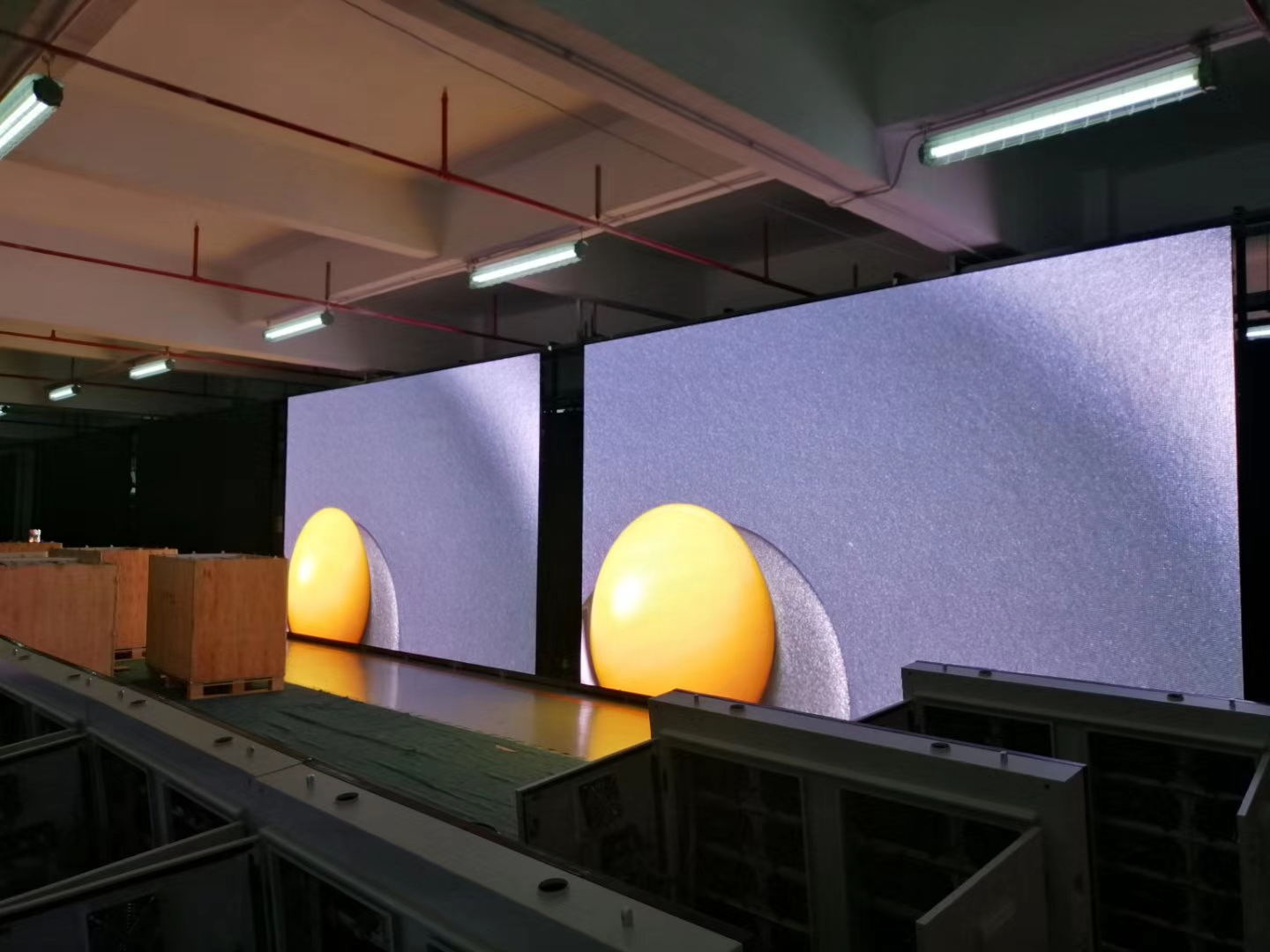
1. Viewing angle
The viewing angle of the LED display is determined by the viewing angle of the led lamps. At present, the viewing angle of the display is mostly 120° horizontal and 60° vertical. Some high-rise displays have higher requirements for vertical viewing angle. Viewing angle and brightness contradict each other, and a large viewing angle will inevitably reduce brightness. The choice of perspective needs to be determined according to the specific purpose.
2. Brightness
The brightness of the LED lamp is an important determinant of the brightness of the screen. The higher the brightness of the LED lamp, the greater the margin for the use of current of the screen, which is good for saving power consumption and maintaining the stability of the LED lamp. LED lamps have different angle values. When the chip brightness is fixed, the smaller the angle, the higher the brightness, but the viewing angle of the screen is smaller. For LED displays with different dot pitches and different viewing distances, a balance should be found in brightness, angle, and price.
3. Dot calibration
Since the full-color display screen is composed of tens of thousands or even hundreds of thousands of red, green, and blue LEDs, the dead LED lamps of any color LED will affect the overall visual effect of the screen. Generally speaking, according to industry experience, the dot calibration should not be higher than three ten thousandths (referring to the dead LED lamps caused by the LED lamps itself) from the start of the assembly of the LED display to the 72-hour aging before shipment.
4. Antistatic ability
LED is a semiconductor device, which is sensitive to static electricity and can easily cause static failure. Therefore, the anti-static ability is very important to the lifespan of the LED display. Generally speaking, the failure voltage of the human body electrostatic mode test of the LED lamp should not be lower than 2000V.
5. Lifespan
The theoretical lifespan of the LED lamp is 100,000 hours, which is much longer than the working lifespan of other parts of the LED display. Therefore, as long as the quality of the LED lamp is guaranteed, the working current is appropriate, the PCB heat dissipation design is reasonable, and the LED screen production process is rigorous, the LED lamp will be one of the most durable parts in the LED display.
6. Light attenuation
After the LED display has been working for a long time, the brightness decrease and the color inconsistency of the display will appear, mainly due to the attenuation of the brightness of the LED lamp and it will cause the brightness of the entire screen to decrease. The inconsistency of the attenuation amplitude of the brightness of the red, green and blue LED lamps will cause the color of the LED display to be inconsistent. High-quality LED lamps can well control the brightness attenuation. According to the standard of 20mA lighting at room temperature for 1000 hours, red attenuation should be less than 2%, blue and green attenuation should be less than 10%, so try not to use 20mA current when designing blue and green LEDs, preferably only 70% to 80 % Of rated current. In addition to the attenuation characteristics related to the characteristics of the red, green, and blue LEDs, the current used, the heat dissipation design of the PCB board, and the ambient temperature of the display screen all affect the light attenuation.
7. Consistency
The full-color display is composed of countless red, green and blue LEDs. The brightness and wavelength consistency of each color LED determines the brightness consistency, white balance consistency and chromaticity of the entire display. Normally, LED display manufacturers require suppliers to provide LEDs with a wavelength range of 5nm and a brightness range of 1:1.3. These indicators can be achieved by the supplier through the classification of the color separation machine. Voltage consistency is generally not required.
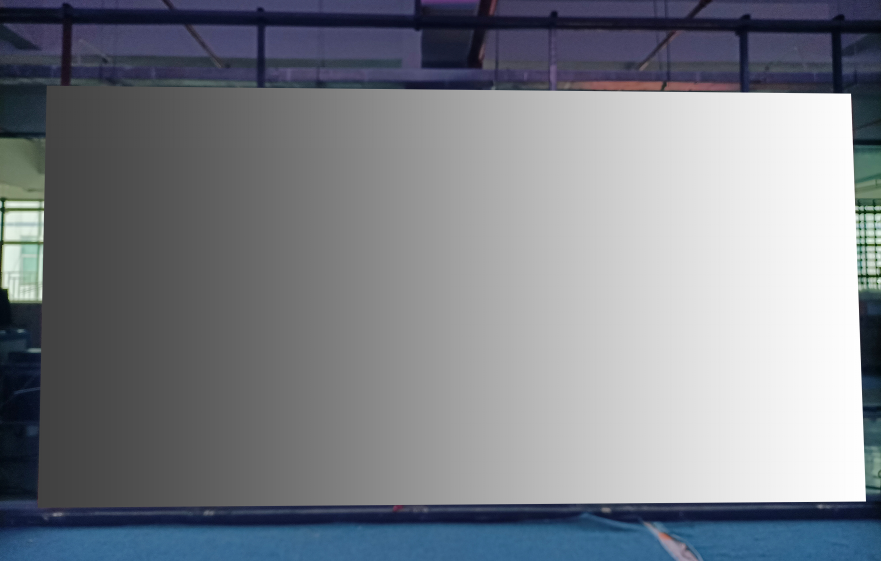
The LED display manufacturers must achieve the matching consistency of the brightness changes of the red, green and blue LEDs at different angles, and they need to strictly carry out scientific design in the package lens design and raw material selection, which depends on the technical level of the package supplier. No matter how good the normal direction white balance of the screen is, if the LED angle consistency is not good, the white balance effect of the whole screen at different angles will be bad. The angle consistency characteristics of LED lamp beads can be measured with an LED angle comprehensive tester, which is particularly important for medium and high-end LED displays.
So how can we distinguish the quality of LED lamps?
1. Check the solder joints.
The LED strips produced by regular LED strip manufacturers are produced by SMT patch technology, using solder paste and reflowing soldering processes.
2. Check the quality of FPC.
FPC is divided into two types: copper and rolled copper. The copper foil of the copper-clad board is protruding. If you look closely, it can be seen from the connection between the pad and the FPC.
3. Check the cleanliness of the surface of the LED strip.
If the LED strip is produced by the SMT process, the cleanliness of the surface is very good, and no impurities and stains can be seen.
4. Check the chip and production process of the LED lamp.
You can’t see the difference with your eyes; you need to use aging equipment and testing equipment. If you put several manufacturers’ LEDs on the aging meter and use high current to aging for 24 hours or longer over time, you can measure the brightness of LEDs from several manufacturers to see which LED has the least attenuation in luminous intensity, and the quality with the least attenuation is the best.
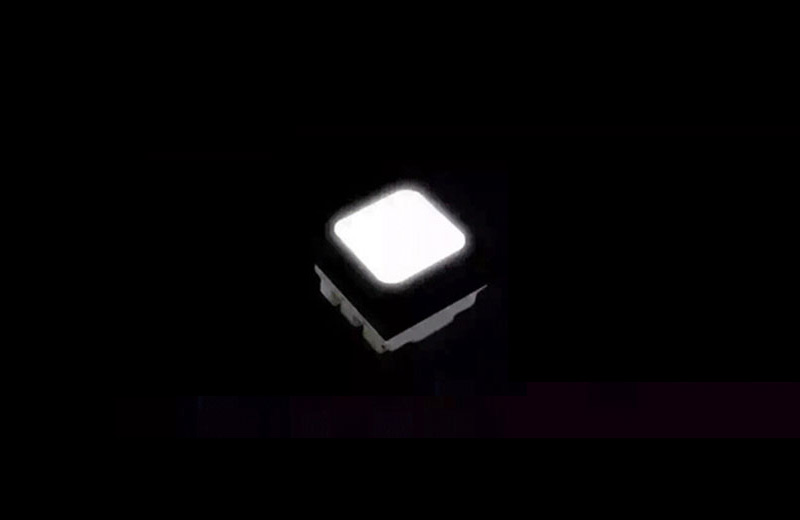
5. To see whether the LED lamp is uniform and the color is consistent.
The good quality LED lamp is very uniform and the color is consistent. Poor-quality LED lamps will have the phenomenon that one lamp is bright and one is dark, and the luminous color is messy and uneven, and there will be obvious dark areas.
6. Depending on the chip and chip size.
The chip is the decisive factor for the quality of the lamp beads. Normally, the larger the chip, the stronger the stability of the LED lamp will be, the brightness will be higher, and also the better the heat dissipation of LED lamp.
In fact, the most important thing is to the chip of the LED lamp. The chip directly determines the color rendering index, brightness, and anti-attenuation degree of the LED display.
How to Choose an Outdoor LED Billboard: Pixel Pitch, Brightness, IP Rating and Power Consumption
COB vs MIP for P0.9 LED Video Wall: Which Is Better?
Premteco: special-shaped screen to present a different
How does the LED display follow the 5G trend?
Premteco introduces new design rental screen
Some common senses about LED display aging test
Application of AOB technology in LED display
Premteco P8 Perimeter LED Screen for Stadium in Canada
Premteco P10 Outdoor Fixed LED Display in Australia
Premteco P1.5 Indoor Full Color LED Screen in Australia
Premteco P8 Outdoor LED Trailer Screen in Australia
Premteco P2.5 Indoor LED Banner Screen in Australia
Premteco P4.8 outdoor LED screen in Qatar
Premteco P1.9 Indoor HD LED screen in Kuwait
Premteco P3.9 Outdoor Rental LED Display in Austria